



Vertical vs. Horizontal Murphy Beds: Which Style Works Best for Your Space?
Once you know what to look out for, avoiding these ingredients becomes simple and empowering.
 By
Kyle Marquardt
By
Kyle Marquardt

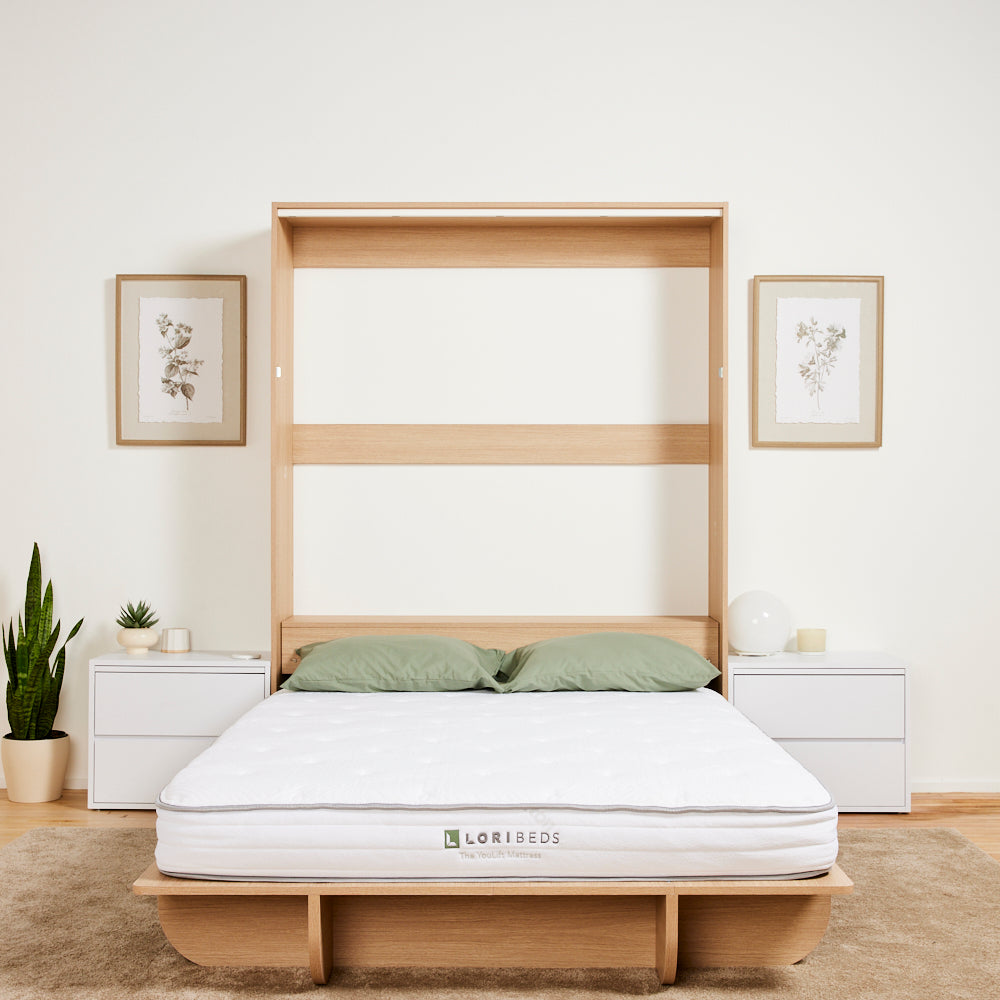
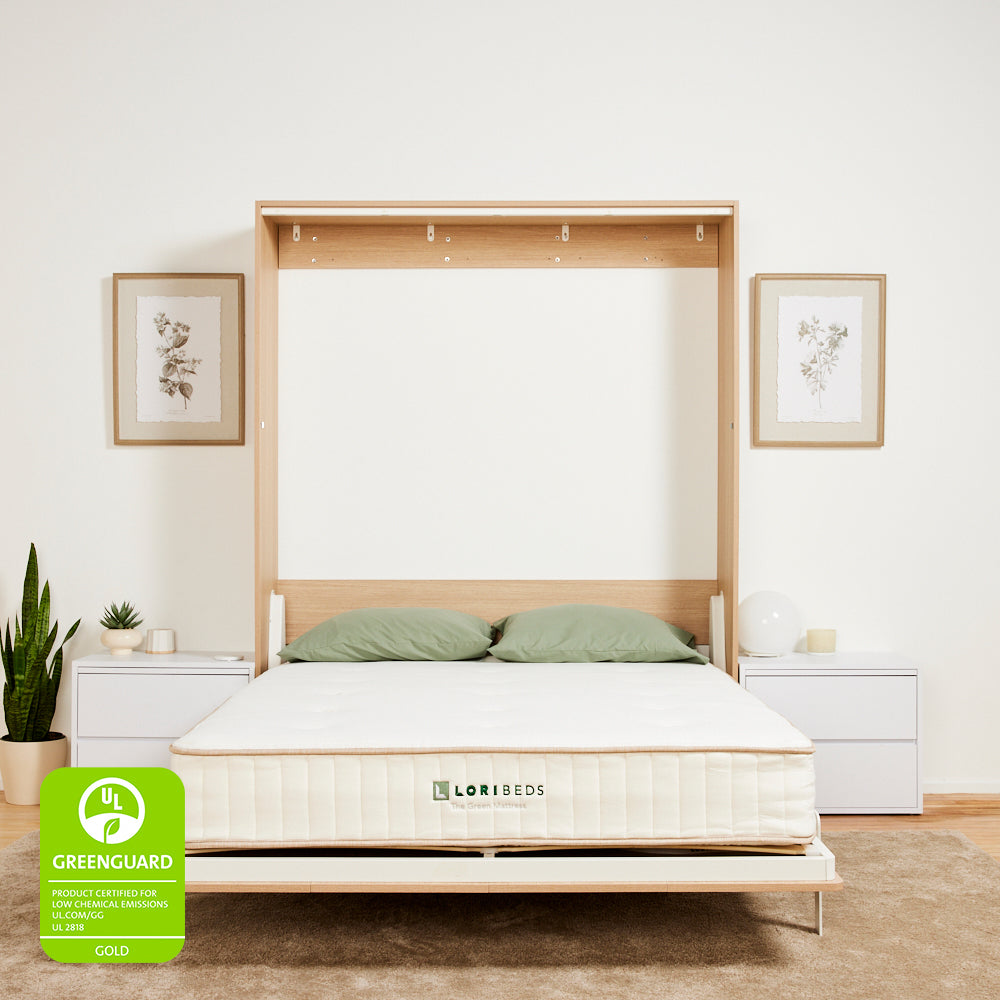
What sets vertical and horizontal Murphy beds apart is the way the bed is stored and positioned when opened.
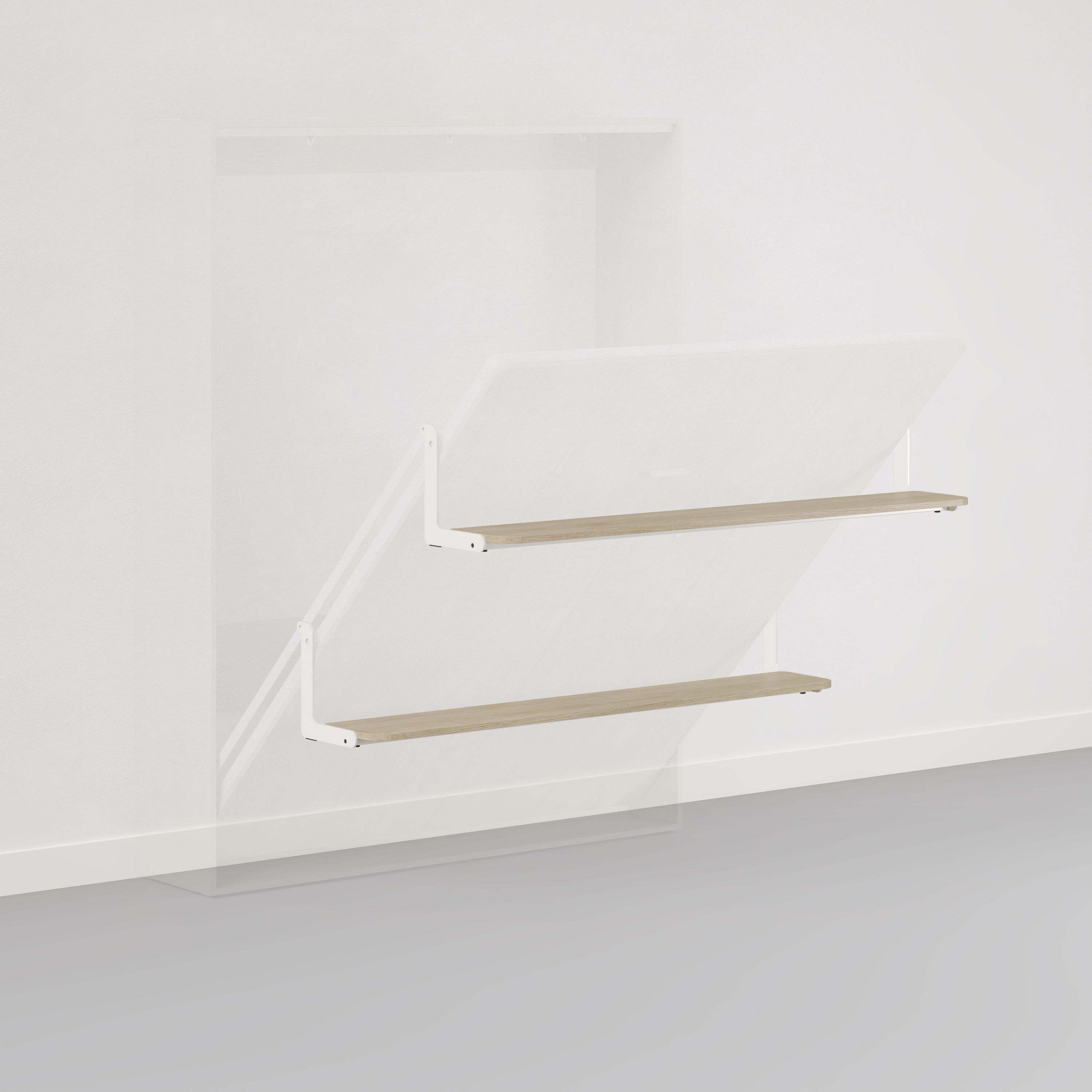
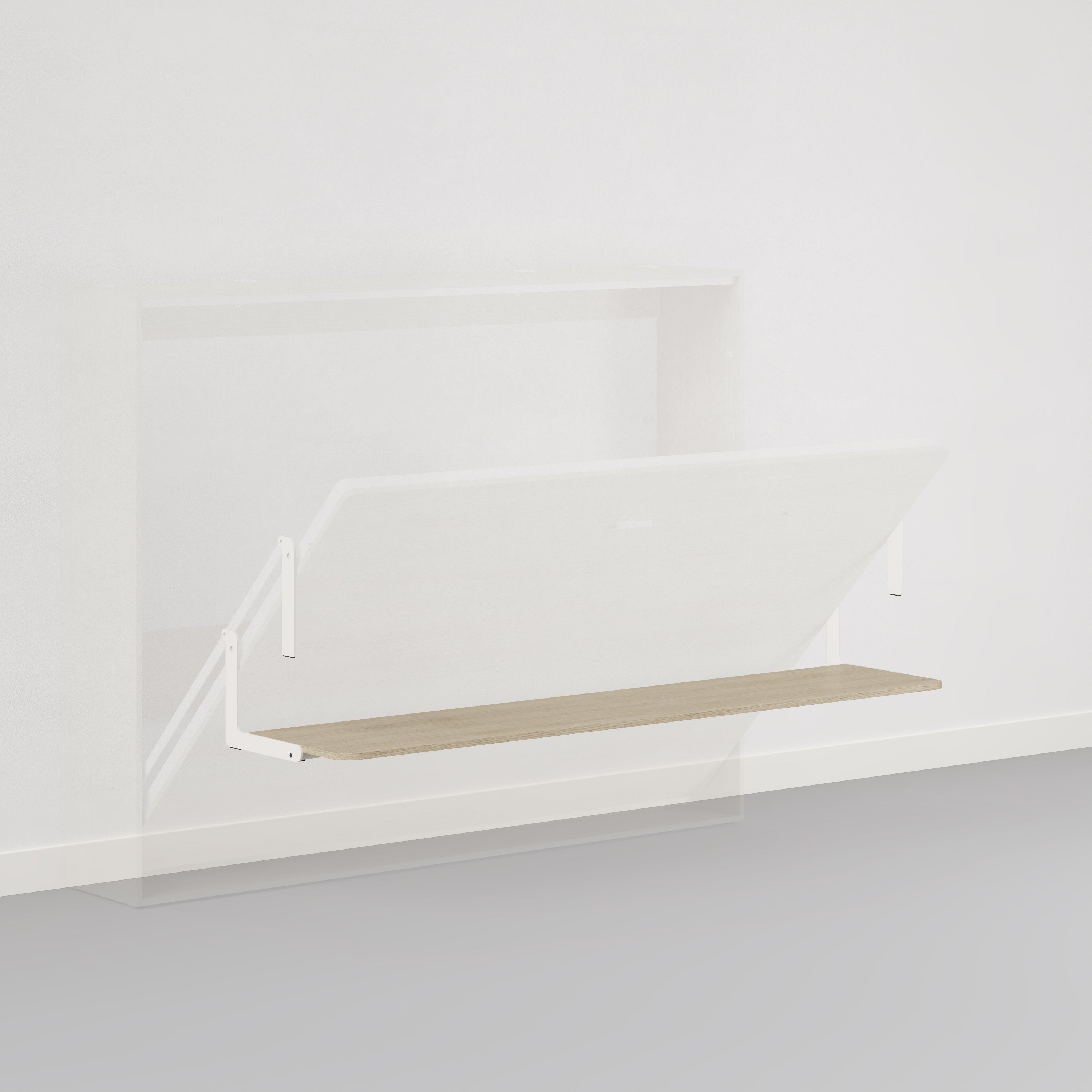
A vertical Murphy bed is stored in an upright position and opens from the top, similar to a traditional bed, making it best for rooms with standard or higher ceilings. A horizontal Murphy bed stores sideways and opens from the side, making it a better fit for rooms with lower ceilings or wider wall space.
The right orientation depends on three factors: your ceiling height, your available wall space, and how you plan to use the room.
This guide explains the differences between horizontal and vertical wall beds, including space requirements, functionality, and ideal room layouts, so you can choose the best option for your home.
Key Takeaways:
- Vertical wall beds can be raised and lowered - best for rooms with high ceilings and limited width.
- Horizontal wall beds swing out side-to-side, working best in rooms with limited wall space or lower ceilings.
- Your best choice depends on ceiling height, room shape, windows, and whether you want additional storage.
-
Lori Beds offers both configurations in beautiful, furniture-style finishes. Like all Lori Beds, they are designed to be securely anchored to the wall for safe operation.
Explore handcrafted Murphy beds in both styles.
AT A GLANCE
What’s the Difference Between Horizontal and Vertical Murphy Beds?
Vertical Murphy Beds: Best For, Pros, and Cons
Horizontal Murphy Beds: Best For, Pros, and Cons
Measuring Your Space Before You Choose
Lori Beds’ Murphy Bed Options
The Right Murphy Bed for the Right Room
FAQS
What’s the Difference Between Horizontal and Vertical Murphy Beds?
Looking to maximize your space for comfort and style? With urban apartments dominating housing construction and 51% of Americans wishing for more square footage, multi-functional furniture like Murphy beds is surging in popularity.
When choosing a Murphy bed, you’ll find two main types: vertical and horizontal beds. Each wall bed style has its advantages and trade-offs.
Here's a side-by-side breakdown:
|
Feature |
Vertical Murphy Bed |
Horizontal Murphy Bed |
|
Ceiling Height |
Needs 7 ft+ |
Works with lower ceilings |
|
Wall Width |
Uses less wall width |
Requires more wall space |
|
Access |
Easier for two users |
One-sided access typically |
|
Room Flow |
Great for deeper rooms |
Ideal for wider, shorter spaces |
|
Windows/Shelving |
May block windows |
Fits under shelves or windows |
|
Kid Accessibility |
Higher lift required |
Lower, easier for young users |
|
Design Look |
Traditional appearance |
Sleek and discreet profile |
Both wall bed styles save floor space but serve different room types. Explore how each looks in real life with Lori Beds reviews.
Vertical Murphy Beds: Best For, Pros, and Cons

Orientation:
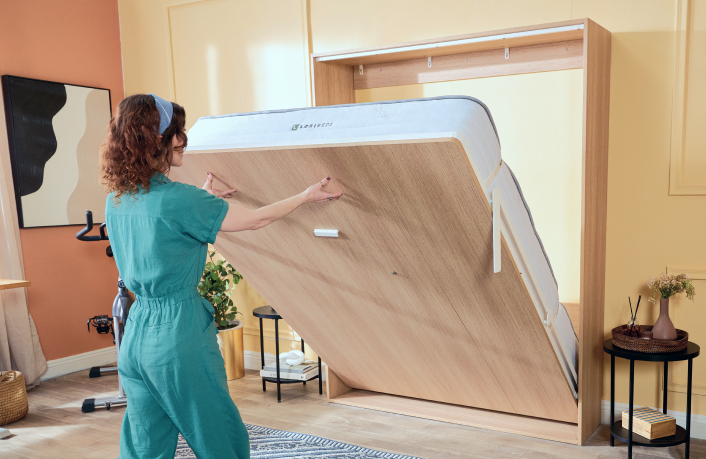
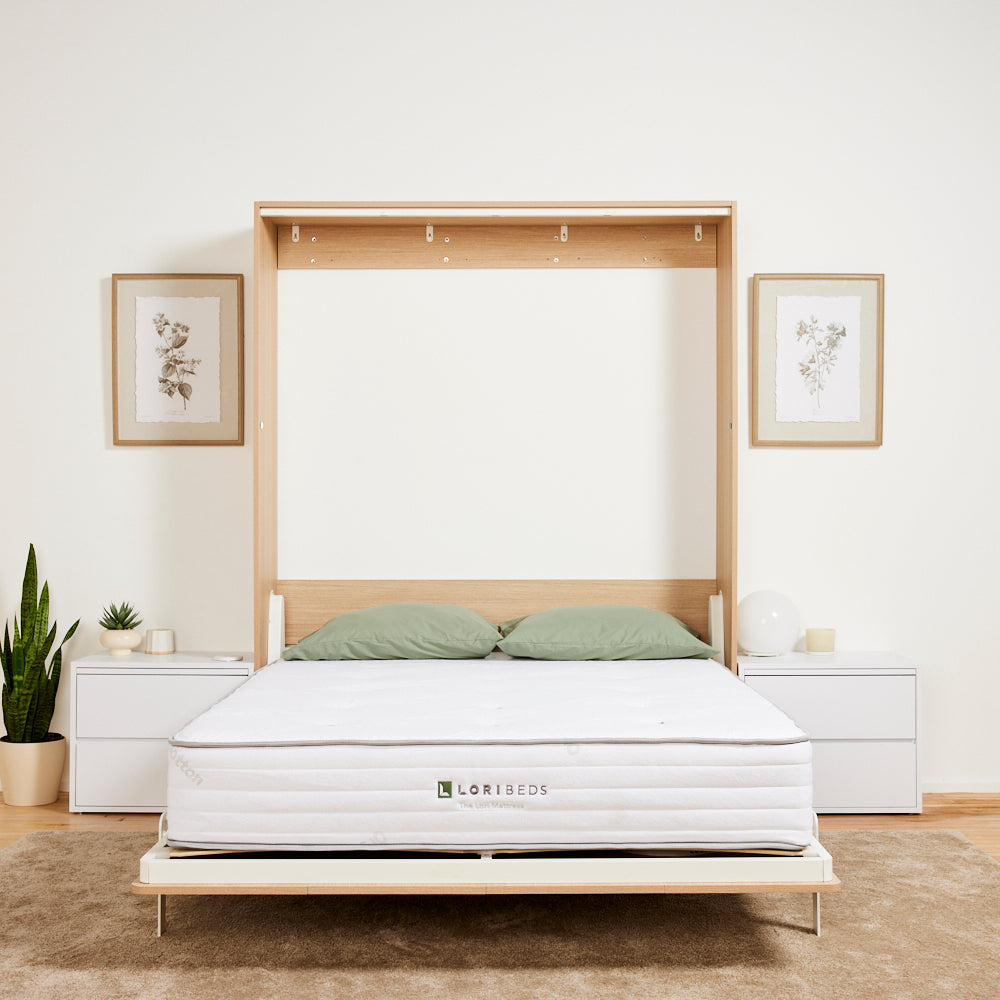
Vertical Murphy beds store the mattress upright against the wall and lower from the top when opened. They typically require a ceiling height of at least 84–86 inches.
Most people picture vertical beds when they think of a Murphy bed. They flip down like a standard bed from the headboard and give off a classic look.
Best For:
- Ceilings that are at least 84" (7 feet)
- Rooms that are longer than they are wide
- Spaces where the bed can be stowed away in the center of the room
Great For:
- Guest bedrooms
- Multi-use home offices
- Spare bedrooms
- Studio apartments
Pros:
- Easy access from both sides, making it a comfortable option for couples
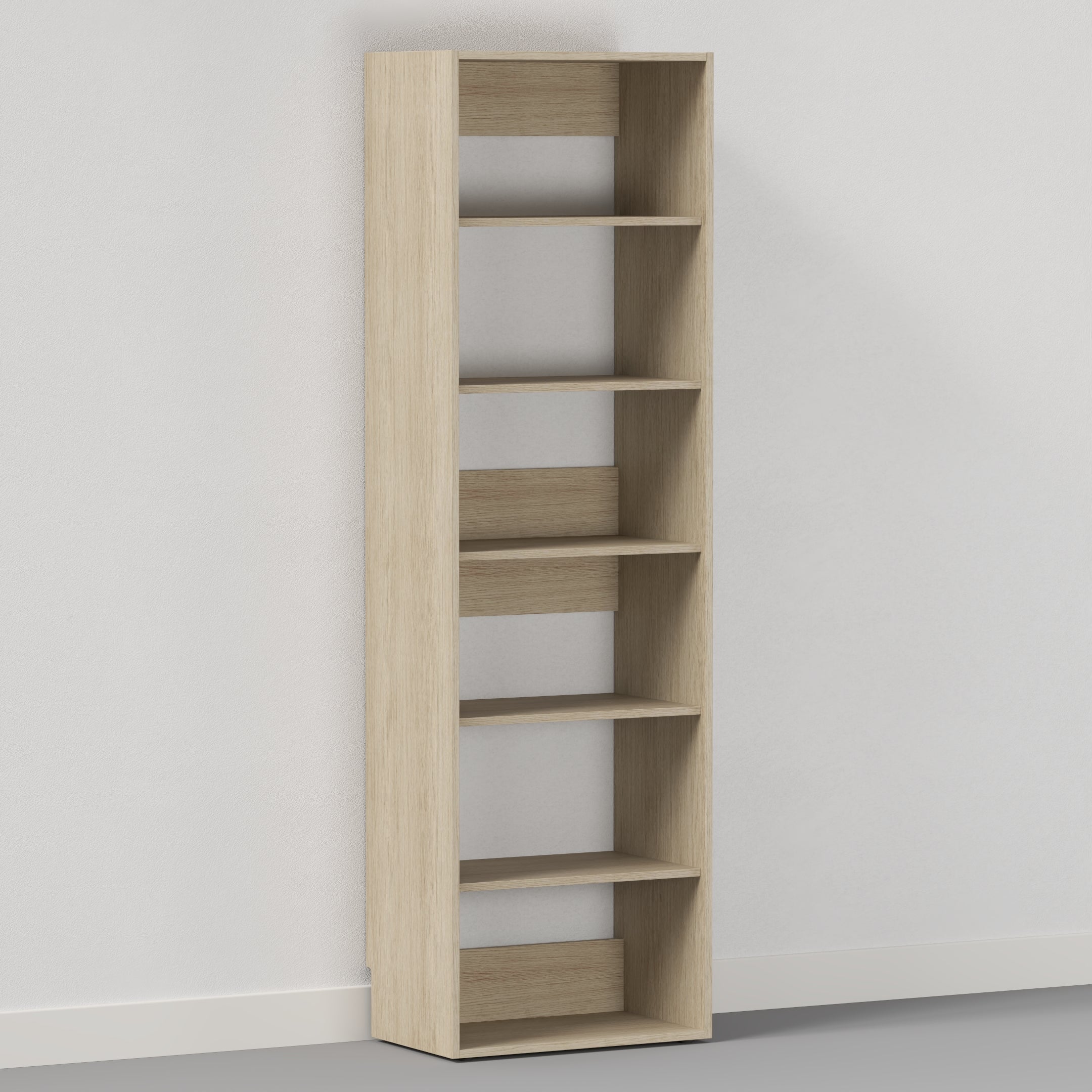
- Pairs well with built-in furniture, such as bookshelves, wardrobes, or your own cabinet on either side of the bed
Cons:
- Requires higher ceilings (typically at least 84–86 inches) to operate safely.
- Needs more floor clearance when fully opened than a horizontal Murphy bed.
Because of their upright design, vertical beds allow access from both sides, making couples more comfortable. They also pair well with built-in furniture like bookshelves or cabinets on either side.
Lori Vertical Murphy Bed Features:
- Available in Twin and Queen sizes
- Clean, classic space-saving design
- Requires vertical clearance but minimal wall width
- Built with sturdy construction and quality hardware for long-term everyday use
Horizontal Murphy Beds: Best For, Pros, and Cons

Orientation:
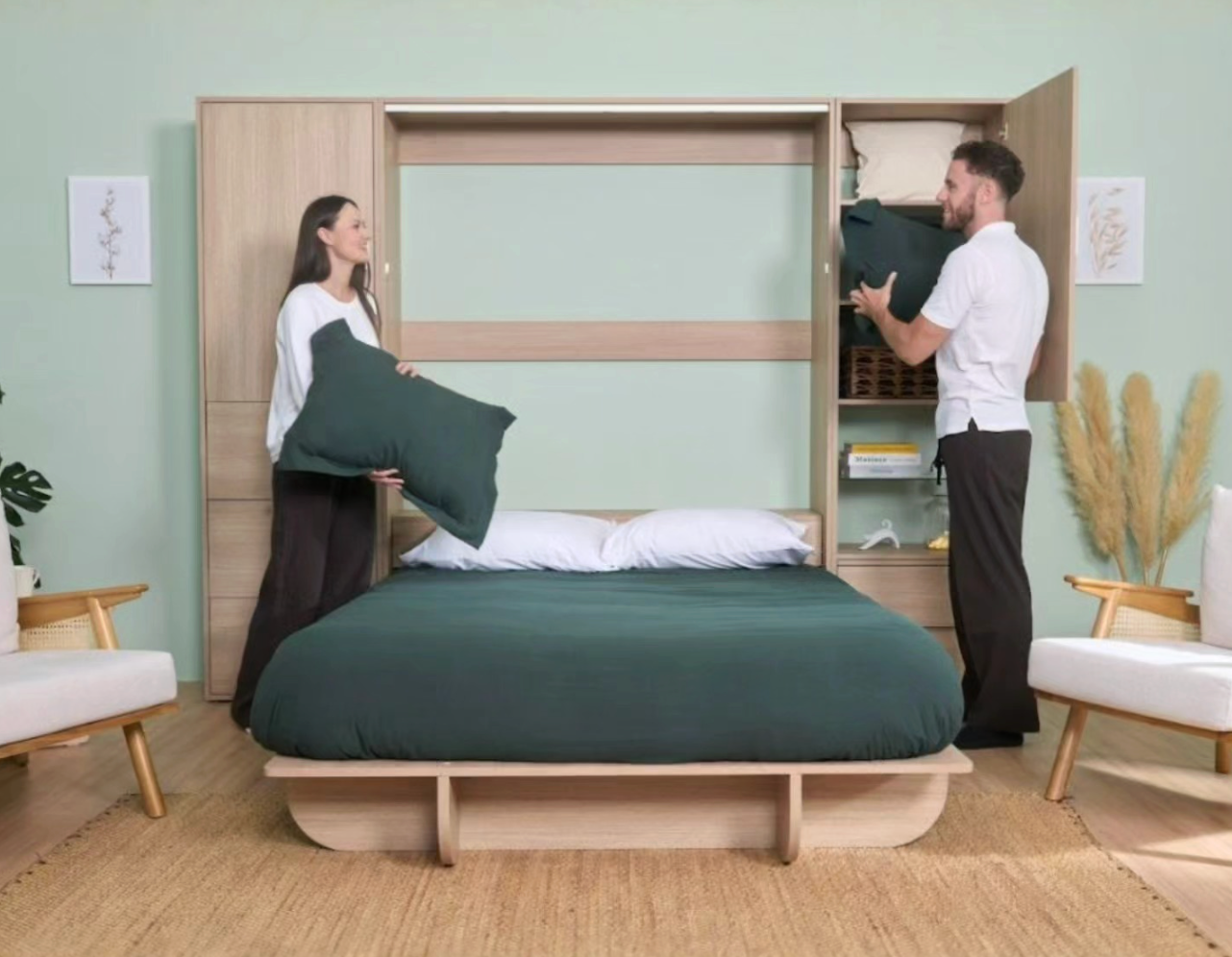
Horizontal Murphy beds store the mattress sideways against the wall and lower from the long side when opened. Because they require less vertical clearance, they're ideal for guest rooms with lower ceilings.
Best For:
- Awkward overhead features, such as low ceilings, ceiling fans, or beams, can pose a challenge
- Wide, short rooms
- Spaces under windows, floating shelves, or built-in cabinets
Great For:
- Kids’ bedrooms
- Small bedroom
- Basement apartments or tiny homes
- Narrow guest spaces or hallway nooks
Pros:
- Require less floor space, making them ideal for high-traffic rooms.
- Easier for children and seniors to access because the mattress sits closer to the floor.
Cons:
- Requires more wall width than a comparable vertical Murphy bed.
- Couples may have less convenient access compared to a vertical design, depending on the room layout.
The biggest perk? When opened, horizontal beds usually require less floor space, which is great for high-traffic rooms.
Lori Horizontal Murphy Bed Features:
- Lower to the ground and easier access for both kids and seniors
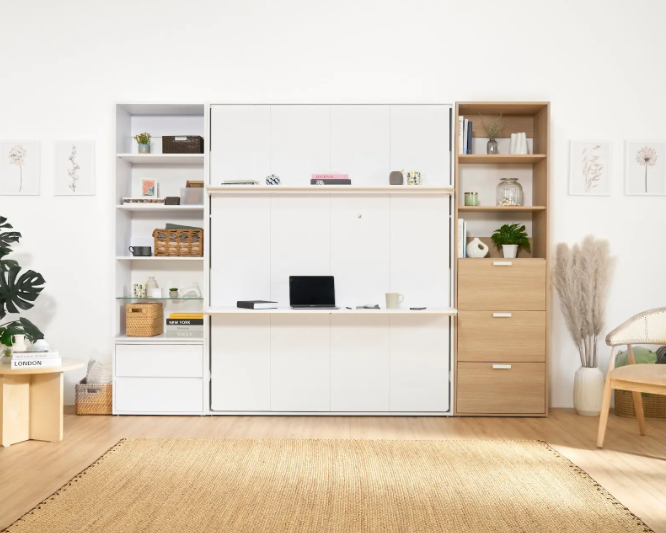
- Can be disguised as shelving or cabinets when closed
- Works well in spaces where vertical beds won’t fit
The Lori Bed is available as a horizontal queen Murphy bed, measuring approximately 84.5 inches wide when closed. If you're looking for a smaller option, explore the Twin Horizontal Murphy Bed for compact spaces.
All Lori Beds fit standard U.S. mattresses with a maximum mattress thickness of 10 inches, so no custom bedding is required.
Shop for horizontal and vertical Murphy beds.
Measuring Your Space Before You Choose
Don’t skip this step. Choosing the correct size Murphy bed starts with accurate measurements. Here’s what to measure:
Ceiling Height
- Vertical wall beds: Plan for 85–92 inches of floor-to-ceiling clearance, depending on the model. Lori Beds' vertical Murphy beds are designed with product-specific dimensions, so always verify the measurements before purchasing.
- Horizontal wall beds: Can work in rooms with ceilings as low as 73 inches, making them an excellent option for basements, attic rooms, and spaces with lower ceilings.
Wall Width
- Vertical beds use less wall width because the mattress is stored upright.
- Horizontal beds require a wider wall since the mattress is stored sideways. For example, the Lori Bed Horizontal Queen Murphy Bed measures approximately 84.5 inches wide when closed.
Floor Clearance
- Vertical wall beds: Require floor space equal to the mattress length (approximately 80–84 inches), plus an additional 24–30 inches of clearance for standing and walking in front of the bed.
- Horizontal wall beds: Require floor space equal to the mattress width (approximately 60 inches for a queen), plus 24–30 inches of clearance for comfortable access.
Obstructions
-
Measure around windows, ceiling fans, light fixtures, floating shelves, vents, outlets, bed frame, baseboards, and wall switches to ensure the bed opens and closes without interference.
Taking a few minutes to measure your room now helps ensure the bed fits comfortably and operates as intended. Careful planning guarantees you choose the best hideaway bed for small spaces while leaving plenty of room to move around when it's fully extended.
Need help? Check our Murphy bed size guide here.
Lori Beds’ Murphy Bed Options
Brands like Lori Beds make it easy for shoppers to find the right style. We specialize in Murphy beds and offer vertical and horizontal models.
Our flagship Lori Bed is available in Queen or Twin sizes and in either orientation. We also sell versions with built-in desks or shelves for each style, such as “Lori Bed + Desk + Shelf Vertical Queen” and “Horizontal Queen.” We’ll let you choose an exact configuration that matches your space.
If you like the vertical/cabinet look, you might pick the vertical Lori Bed. If you have a low ceiling or want overhead cupboards, try a horizontal Lori Bed. Either way, our product pages clearly explain the differences, guiding you to the best fit for your room.
The Right Murphy Bed for the Right Room
Choosing between a horizontal vs vertical Murphy bed isn’t just about aesthetics — it’s about how your space flows.
- Have high ceilings and want a traditional look? A vertical Murphy bed might be best.
- Are you dealing with awkward windows, low ceilings, or tight layouts? A horizontal wall bed could be your answer.
Either way, Lori Beds offers elegant, functional options that turn any room into a comfortable and flexible space. Buy a Lori Bed to sleep smarter, not smaller.
If you plan to assemble the bed yourself with your partner, you'll need basic tools and the included hardware. Installation time varies from 1 to 4 hours, depending on experience. For best results, follow the clear instructions included with your Lori Bed.
FAQS
What advantages does a horizontal Murphy bed offer?
A horizontal Murphy bed works well in rooms with lower ceilings because it requires less vertical clearance. It also fits nicely under windows, shelves, or cabinets and keeps the mattress closer to the floor for easier access.
Which is better: a vertical or horizontal Murphy bed?
It depends on your space. A vertical Murphy bed is ideal for standard or higher ceilings and narrower walls. A horizontal Murphy bed is better for lower ceilings, wider walls, and rooms with overhead obstacles.
What ceiling height do I need for a vertical wall bed?
Most vertical Murphy beds require a ceiling height of at least 84-86 inches (7 feet). Always check the manufacturer's dimensions to ensure the bed has enough clearance to operate safely.
Can a horizontal Murphy bed fit in a room with a ceiling fan?
Yes. A horizontal Murphy bed requires less vertical clearance, making it a great option for rooms with ceiling fans. Just make sure there is enough space for the bed to open without hitting the fan.
Does Lori Beds make a horizontal queen Murphy bed?
Yes. Lori Beds offers a horizontal queen Murphy bed that measures approximately 84.5 inches wide when closed. It fits a standard U.S. queen mattress up to 10 inches thick and is also available in a Twin size for smaller spaces.
Buy a Lori Bed to sleep smarter, not smaller.
By
Kyle Marquardt